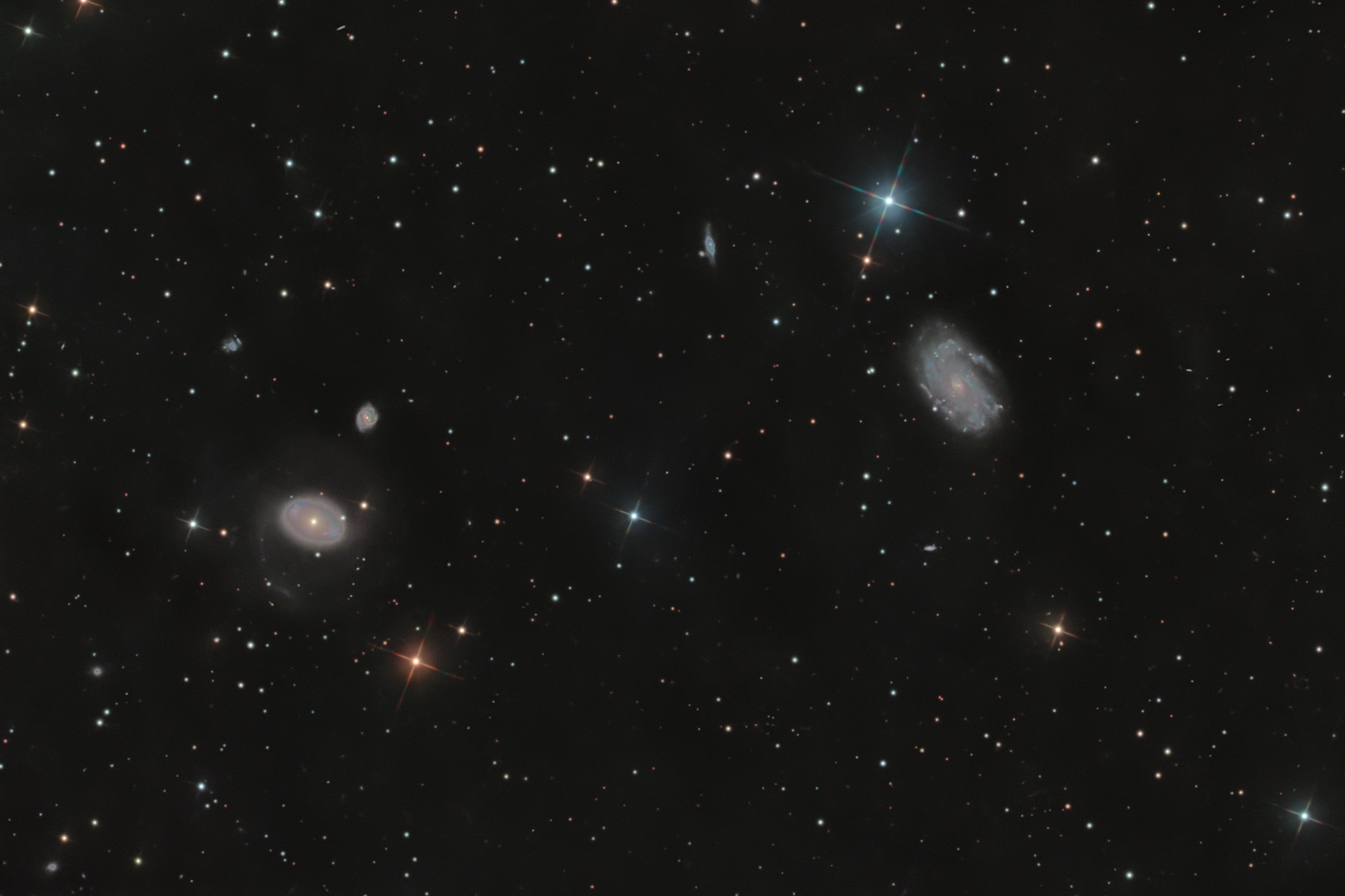
Galaxies and Galaxy groups
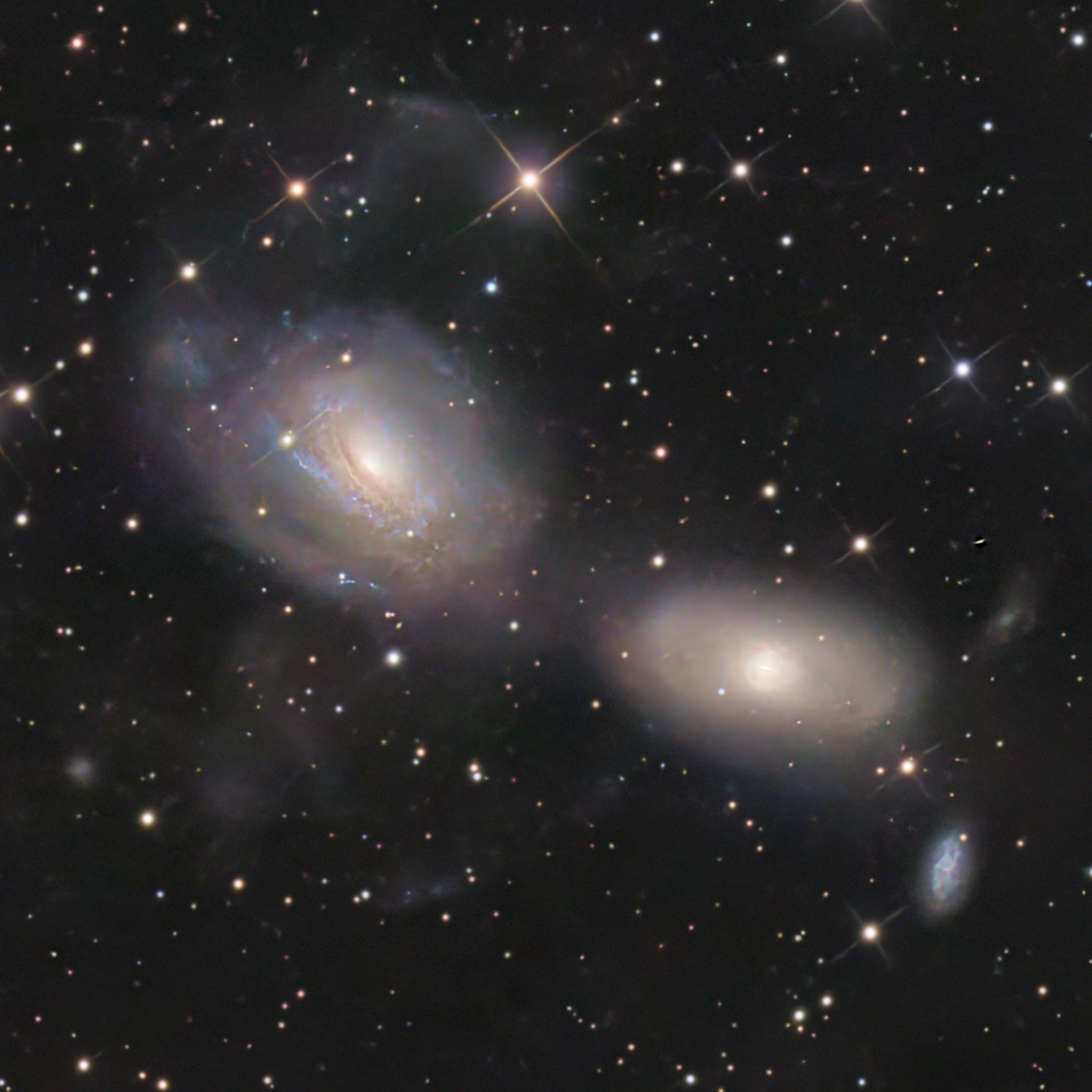
A galaxy is a vast cosmic system of stars, gas, and dust, all bound together by gravity. These immense structures can contain anything from a few thousand to trillions of stars, forming the fundamental building blocks of the universe.
The Milky Way – home of our solar system
Our solar system resides within one of the Milky Way’s spiral arms. Our galaxy slowly rotates, carrying the Sun along at about 828,000 km/h. One orbit around the galactic center takes roughly 230 million years.
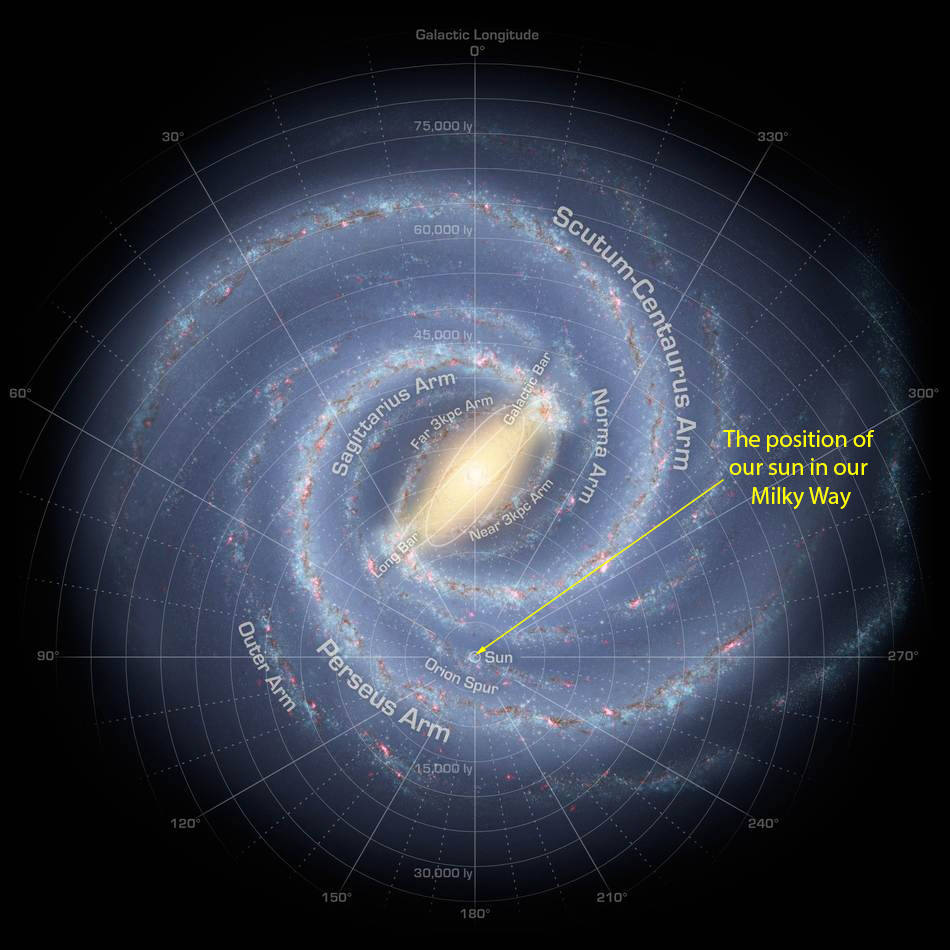
Since we are located within the Milky Way, a direct side view is impossible. But data from the ESA Gaia mission has made a realistic reconstruction possible.
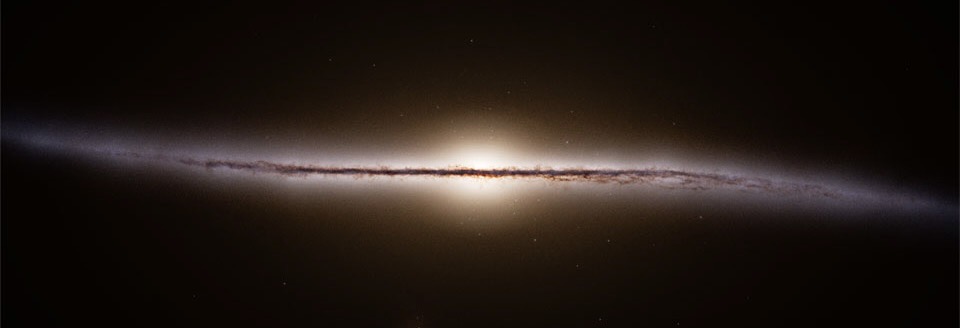
This reconstruction reveals a thin, slightly warped galactic disk containing our Sun and the stars visible in the night sky.
ESA Video: Position of our solar system in the Milky WayLocal Group
Our Milky Way belongs to the so-called Local Group, comprising around 30 galaxies. The most prominent members of this Local Group are the Andromeda Galaxy (Messier 31) and the Triangulum Galaxy (Messier 33), which you can find among my astrophotographs below.
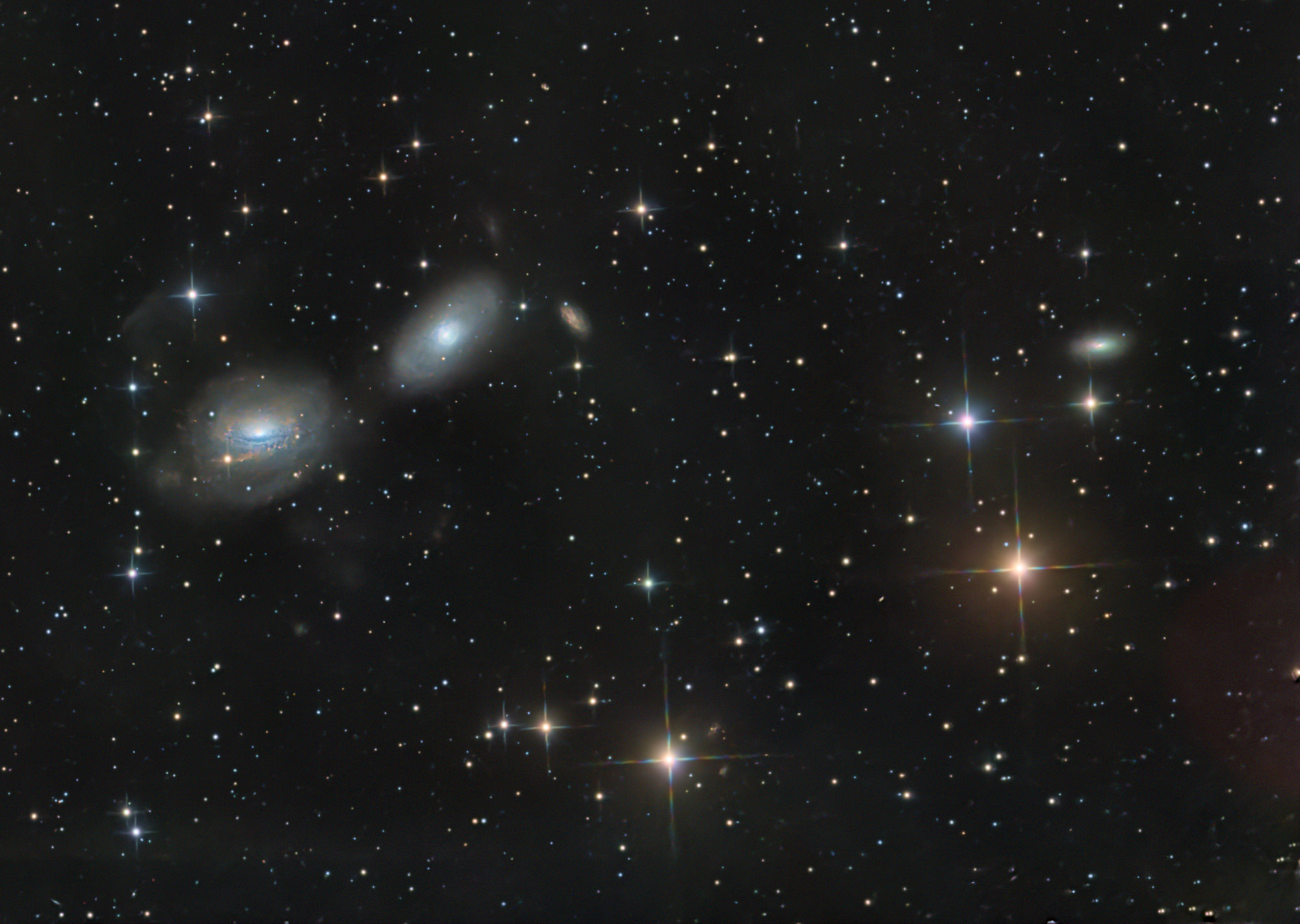
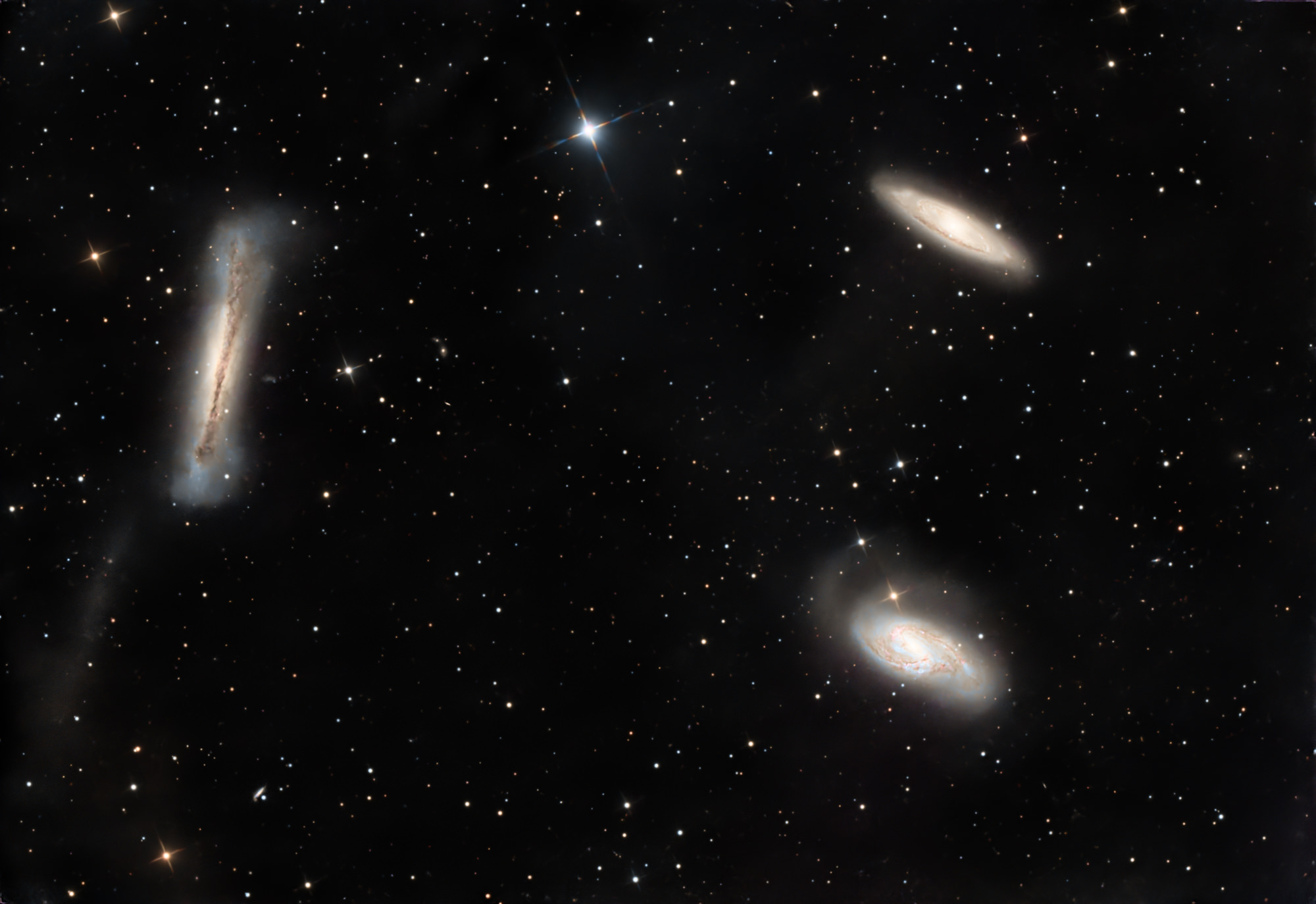
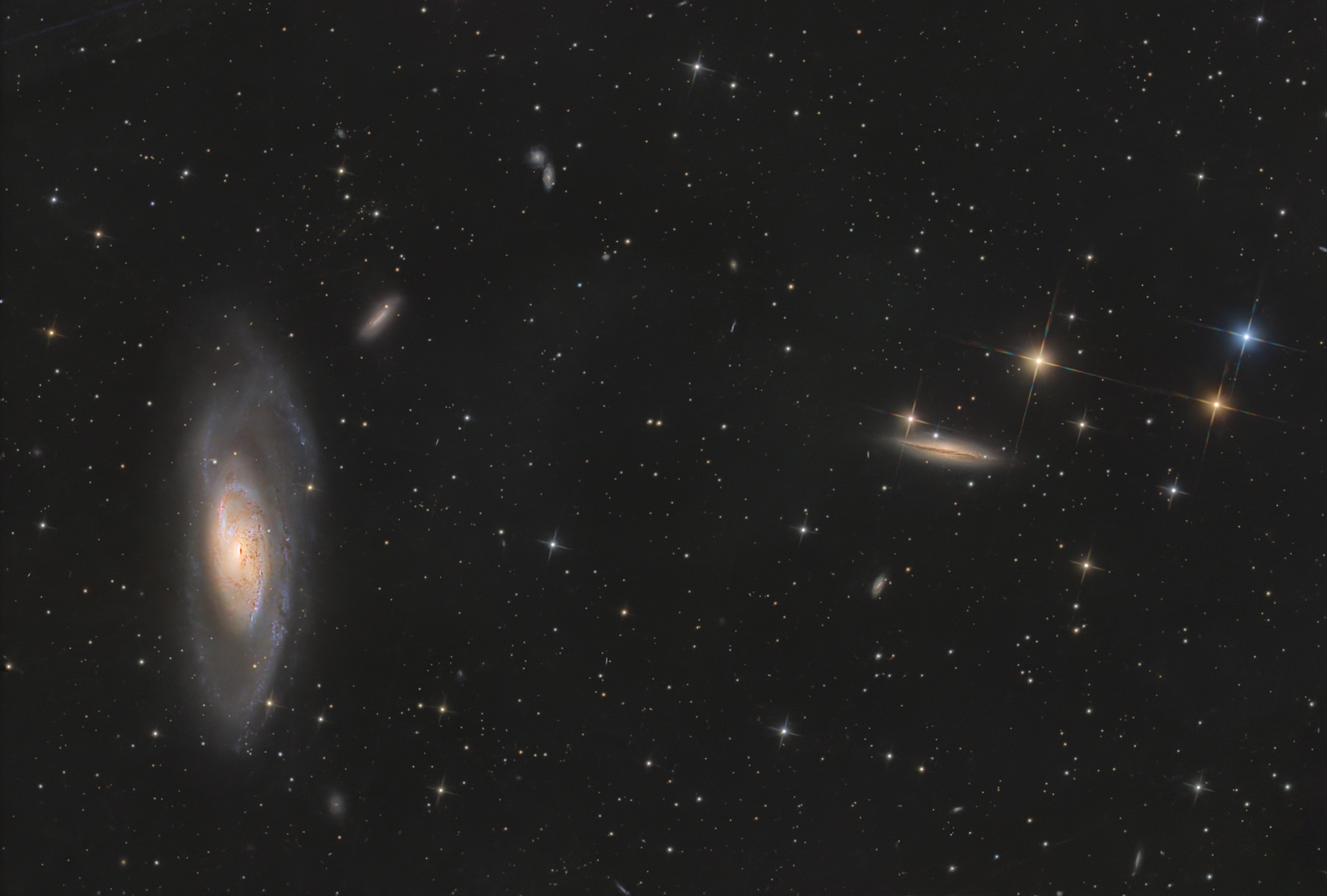
Galaxies form a group when their members are in gravitational interaction. Their gravitational fields exert influence upon one another; the galaxies move around one another and toward one another. At the same time, the universe as a whole is expanding following the Big Bang.
Galaxies with an exceptional (peculiar) appearance
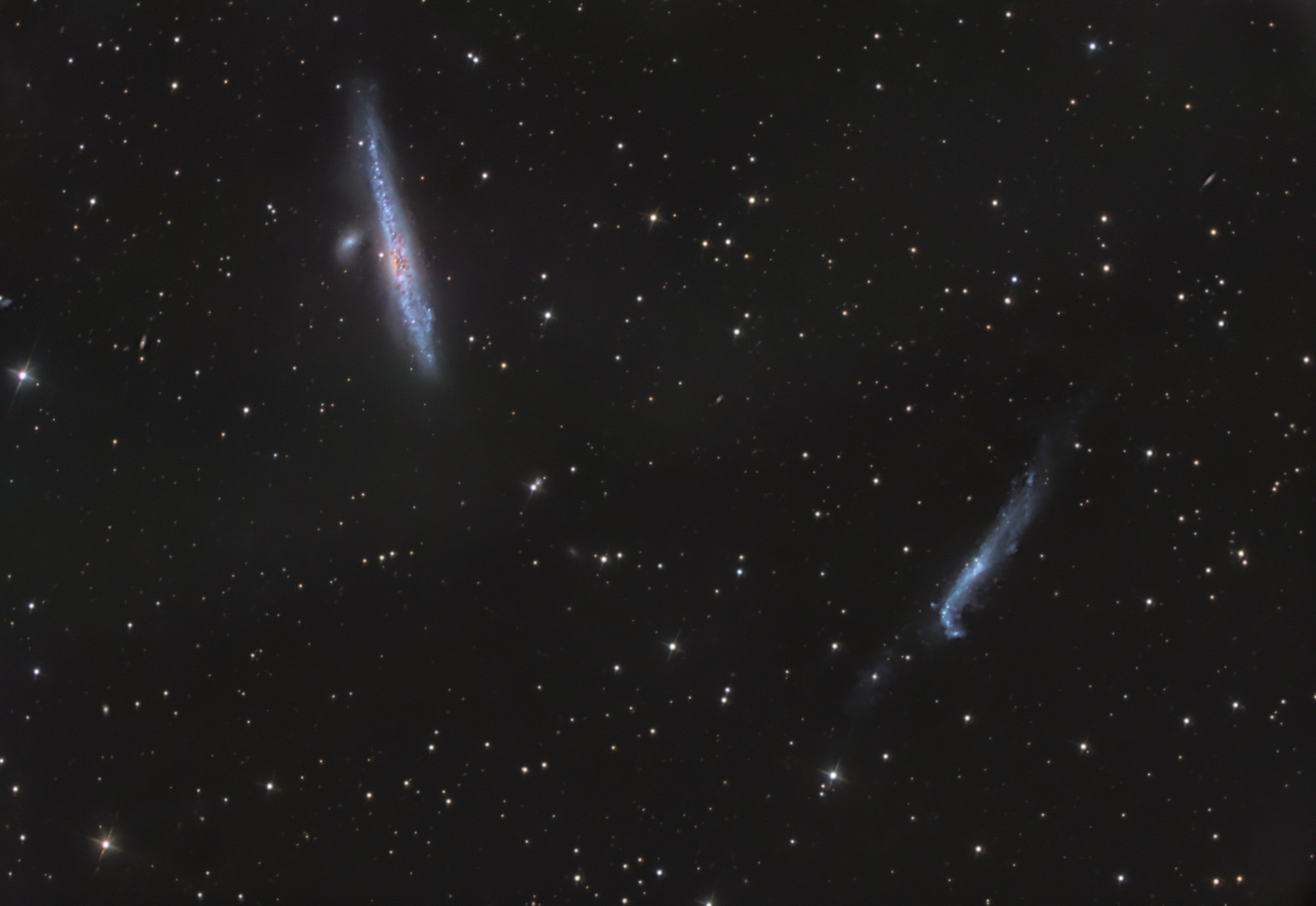
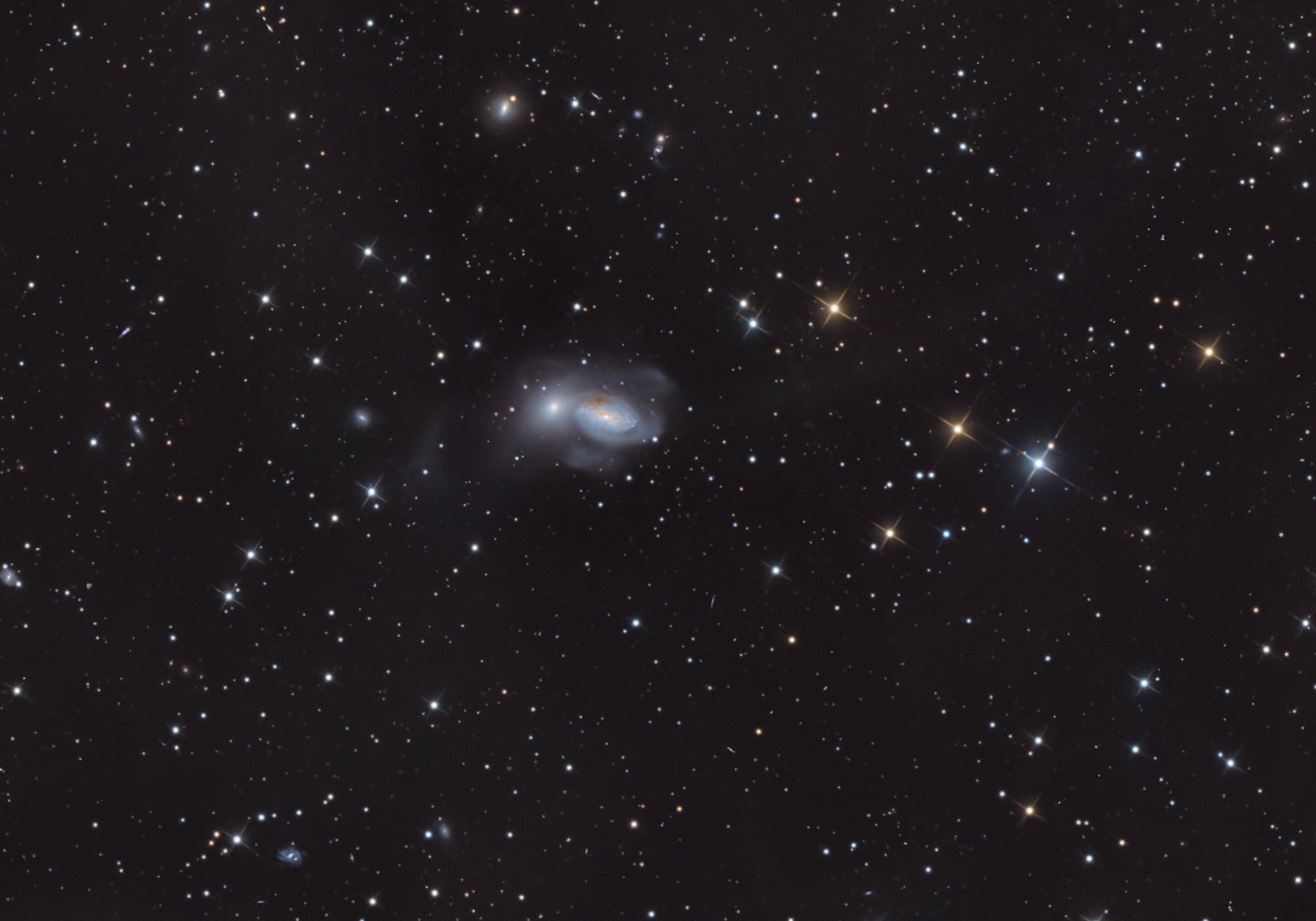
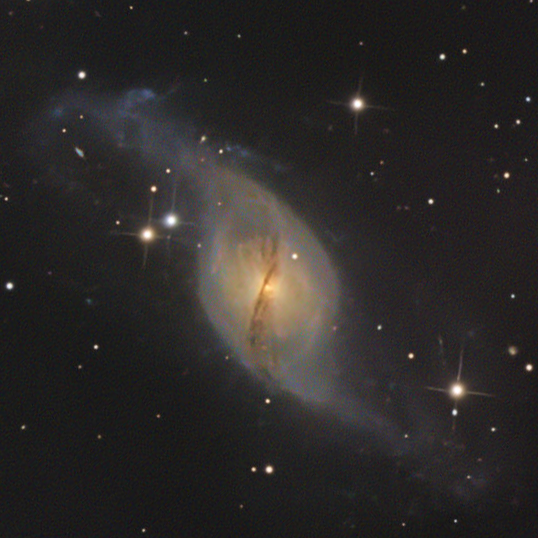 Sometimes, the gravitational interaction between individual galaxies is so strong that they rip gas—or even stars—from one another. If the gravitational fields of neighboring galaxies become sufficiently strong, they eventually merge into one another.
 In this same way, our Milky Way is continuously approaching the Andromeda Galaxy. The merger of these two spiral galaxies is expected to occur in several billion years. This collision will result in the formation of an elliptical galaxy; see the chapter "Galaxy Types According to the Hubble Scheme" below.
Presumably, the Local Group originally contained thousands of dwarf galaxies, which have since been "devoured" by the Milky Way and the Andromeda Galaxy.
Very large groups containing thousands of galaxies are referred to as galaxy clusters. The Virgo Cluster in the constellation Virgo, for example, consists of around 2,000 galaxies; see also the section Galaxiy clusters.
The entire Virgo Cluster spans an apparent size of 8 degrees in the sky—making it 16 times larger than the full moon!
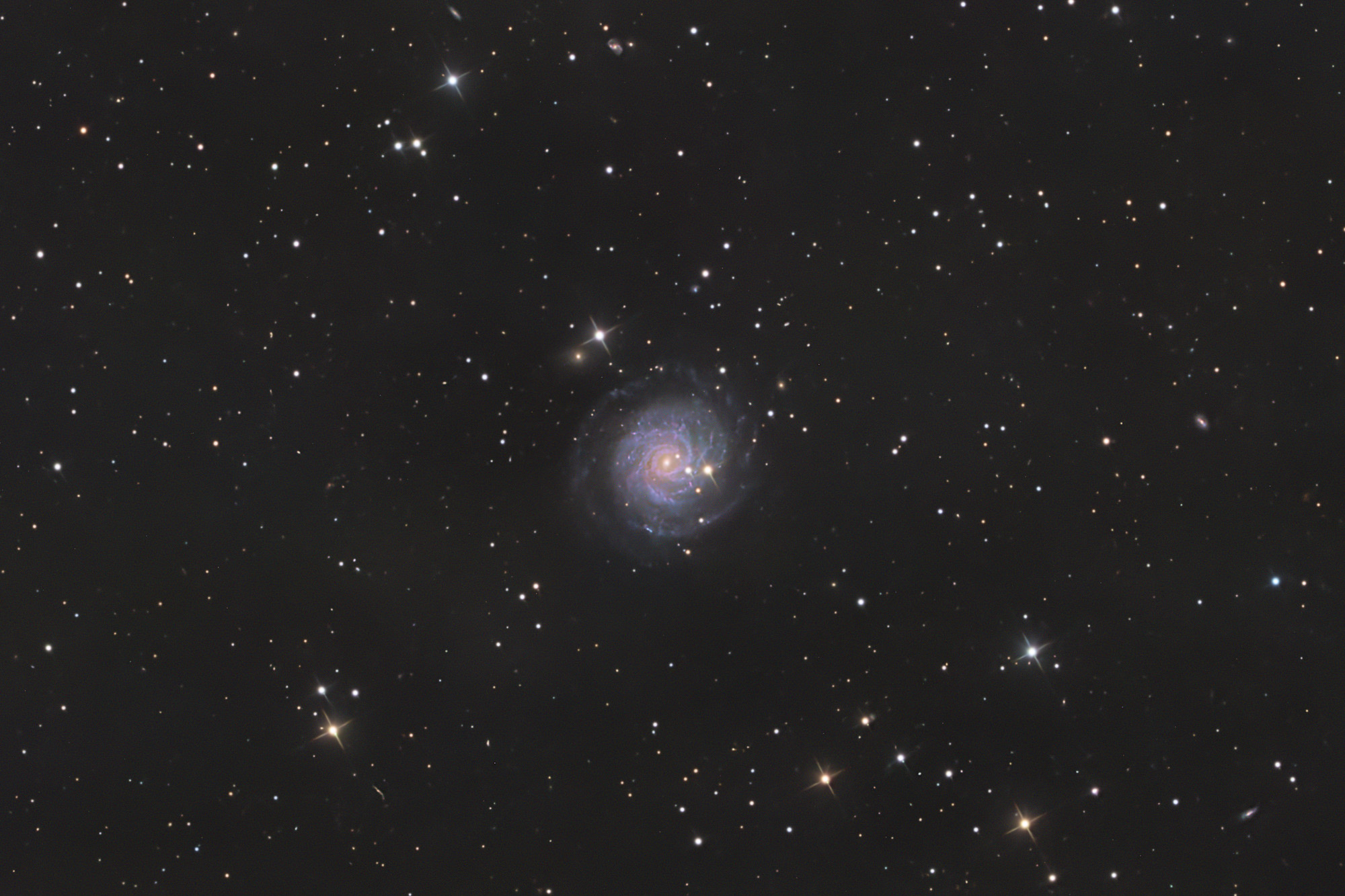
Our galaxy is a spiral galaxy, with arms that wind around the galactic center. However, there are also elliptical and irregular galaxies, as well as giants and dwarfs among star systems. More than half of all star systems are spiral galaxies; our Milky Way and our large neighbor, the Andromeda Galaxy, fall into this category. With a diameter of approximately 100,000 light-years, spiral galaxies are of medium size compared to others.
When the gravitational fields of individual galaxies begin to interact, the galaxies involved become deformed. The Whirlpool Galaxy—Messier 51—located in the constellation Canes Venatici, is a well-known example of interacting galaxies. Messier 51 is interacting with the small galaxy NGC 5195, which is situated directly alongside it. Both galaxies are connected by a bridge of matter. You can find further examples at the bottom of this page.
In the 1960s, the astronomer Halton Arp compiled an *Atlas of Peculiar Galaxies* containing 338 exceptionally shaped galaxies.
Galaxy Types According to the Hubble Scheme
 The famous American astronomer Edwin Powell Hubble (* 1889, † 1953) established a classification for different types of galaxies that remains essentially valid today:
Spiral Galaxies, Barred spiral galaxies, Elliptical Galaxies und Irregular Galaxies.
In addition, there are special forms such as dwarf galaxies or active galaxies.
-
Spiral Galaxies (Type S)
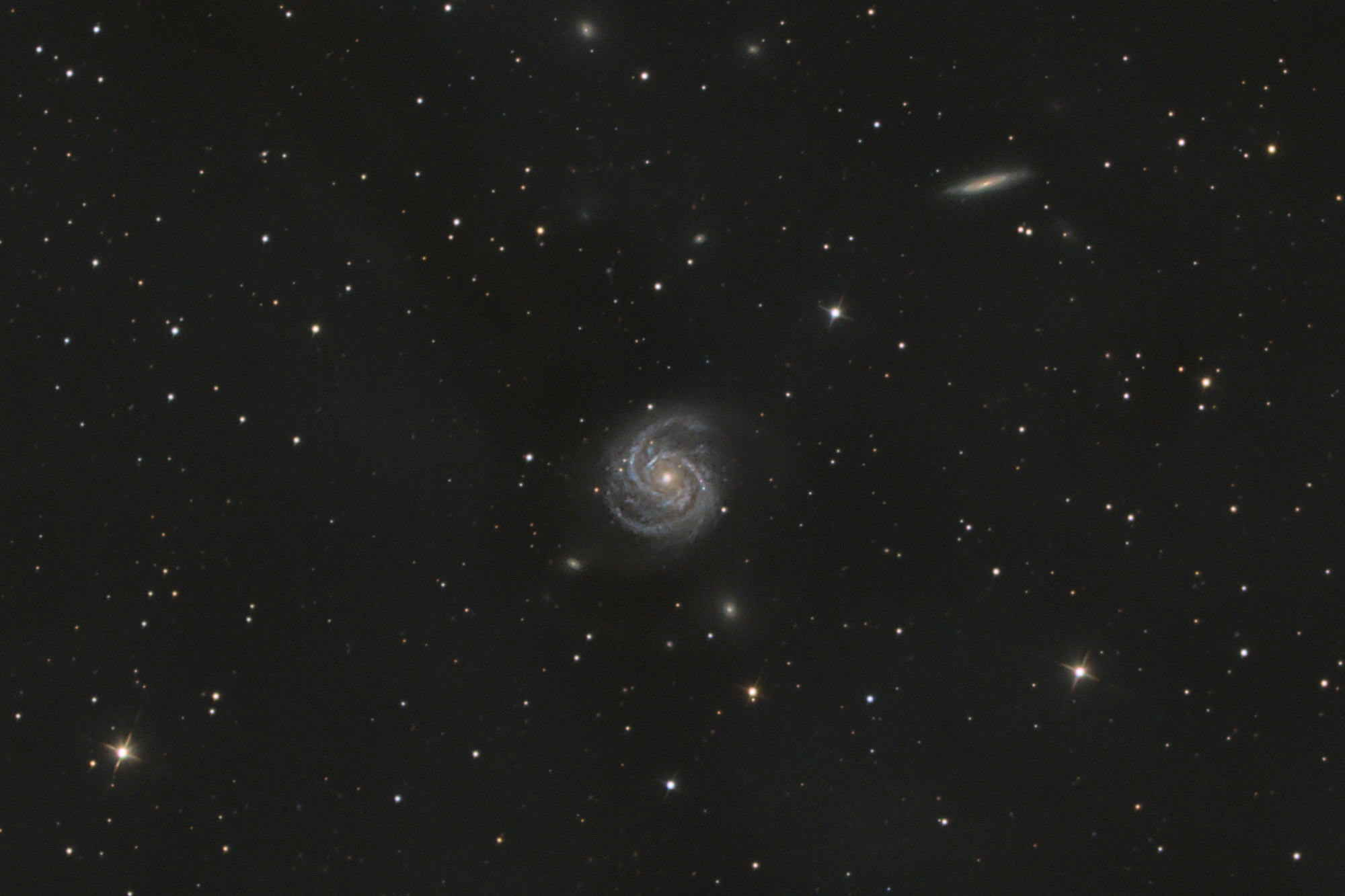
More than half of all star systems are spiral galaxies (designated by the symbol S), formerly also known as spiral nebulae. Our Milky Way belongs to this group, as does our large neighbor, the Andromeda Galaxy; with a diameter of approximately 100,000 light-years, spiral galaxies are of average size compared to other types.
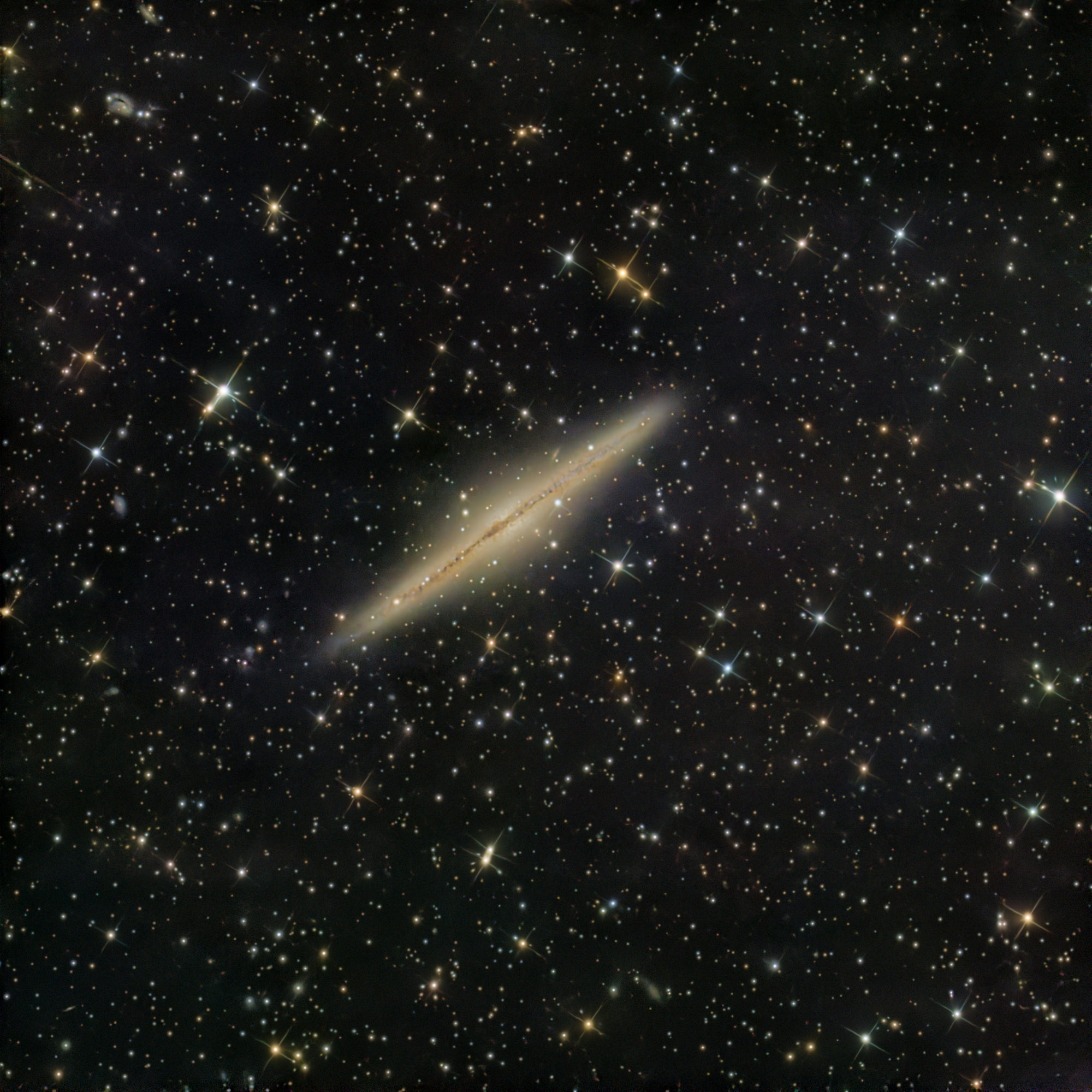
They are also known as disk galaxies because, when viewed from the side (or "edge-on"—on their edge), they form flat disks with a distinct bulge in the center. Within this bulge, stars swirl around one another in irregular orbits, packed together very densely—much like in a beehive. Pictured below is the spiral galaxy Messier 31 (the Andromeda Galaxy).
Andromeda Galaxy -
Barred spiral galaxy (Type SB, like our Milky Way)
Like a normal spiral galaxy, but featuring a prominent linear bar of stars running through its center, from which the spiral arms extend. Approximately two-thirds of all spiral galaxies possess such a bar. Recent studies (e.g., by the Spitzer Space Telescope) have confirmed that a distinct, elongated bar of stars is located at the center of the Milky Way; consequently, it is classified not merely as a normal spiral (S), but as a barred spiral (SB).
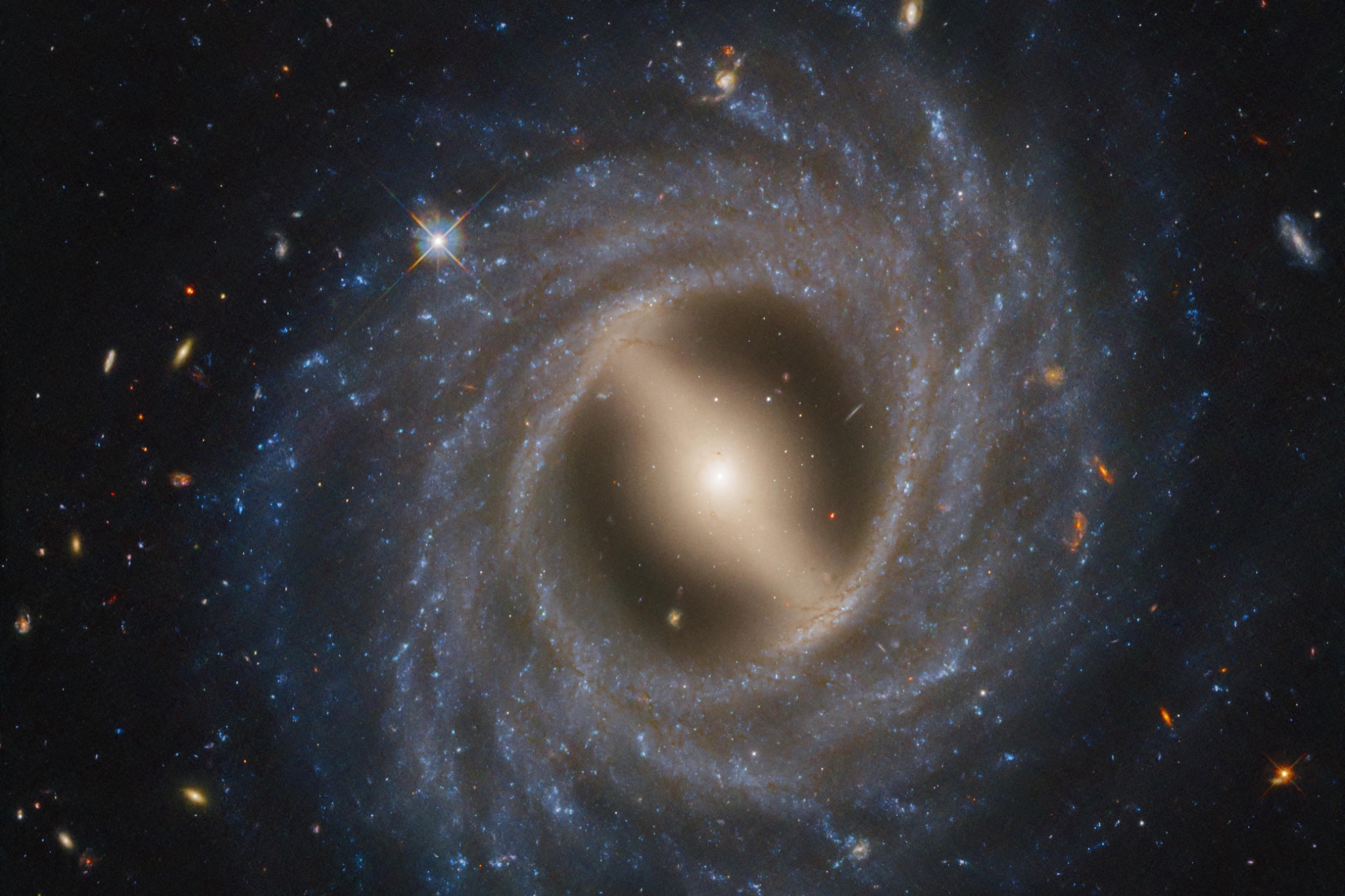
Barred Spiral Galaxy -
Elliptical Galaxy (Type E)
Elliptical galaxies are uniformly luminous, nearly featureless clusters of stars with an elliptical shape. They possess no spiral arms or dust lanes. They consist predominantly of old, red stars and exhibit very little star formation. They are the most massive galaxies in existence and often form through mergers. Pictured below is the Elliptical Galaxy Messier 87.
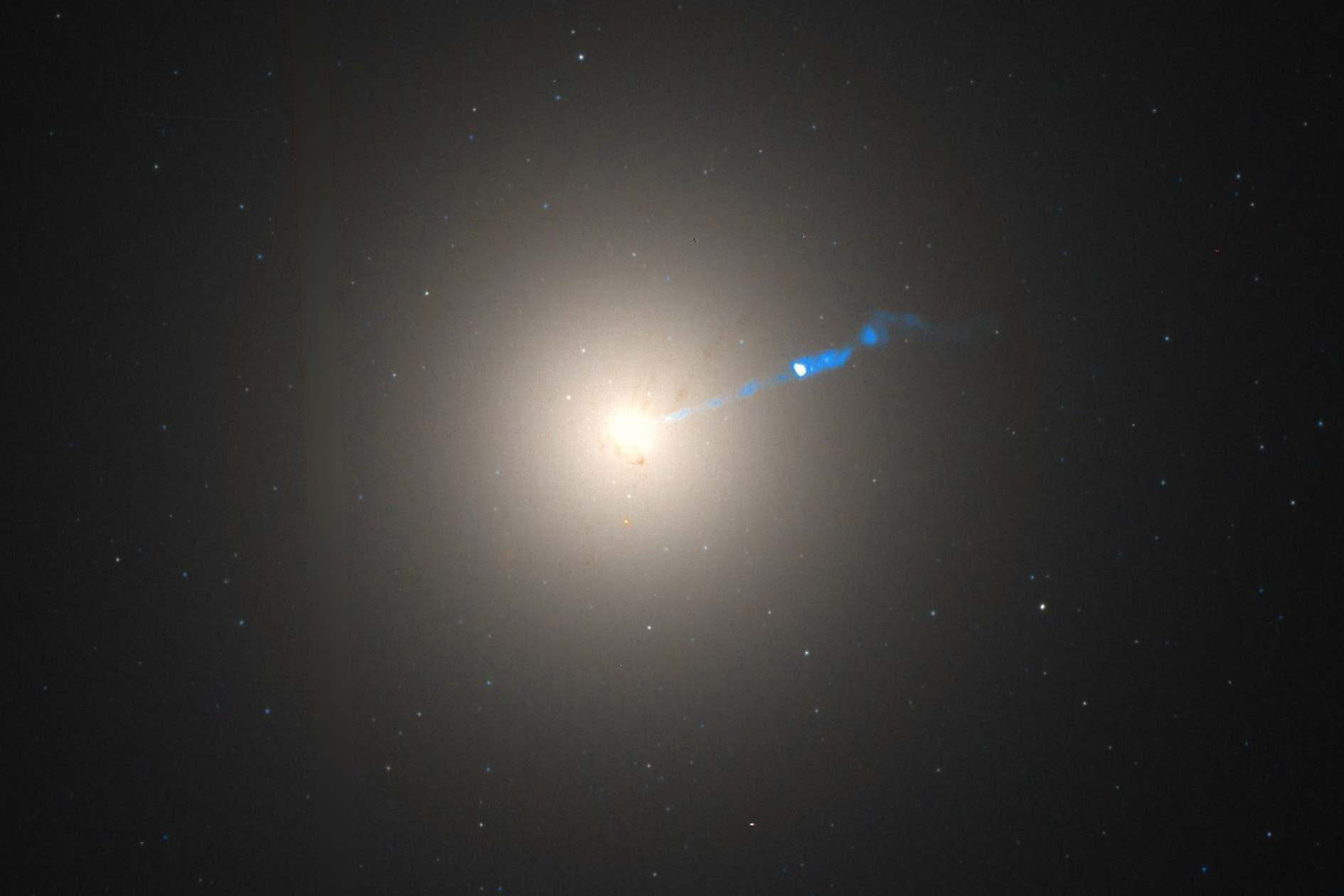
Elliptical Galaxy -
Lenticular Galaxy (Type S0)
Lenticular galaxies are a transitional form between spirals and ellipticals: they possess a prominent disk and central bulge, but no visible spiral arms. Their gas and dust have been largely depleted, which is why hardly any new stars are forming. Pictured below is the lenticular galaxy Messier 102.
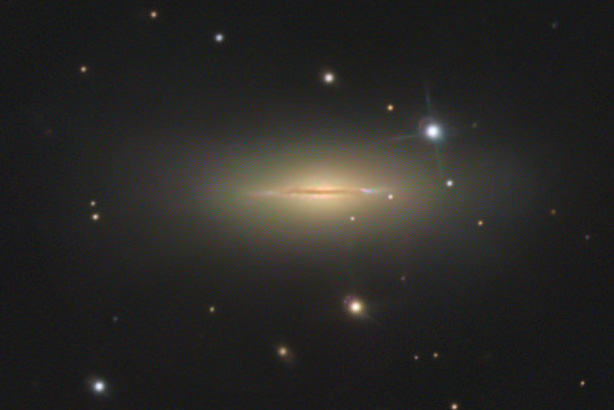
Lenticular Galaxy -
Irregular Galaxy (Type Irr)
Irregular galaxies follow no classic pattern—they lack a symmetrical shape and often possess a chaotic structure. They frequently form through tidal interactions or collisions with neighboring galaxies. The Small Magellanic Cloud is the most well-known example in our cosmic neighborhood. Pictured below is the Large Magellanic Cloud (NASA/Ames Research Center).
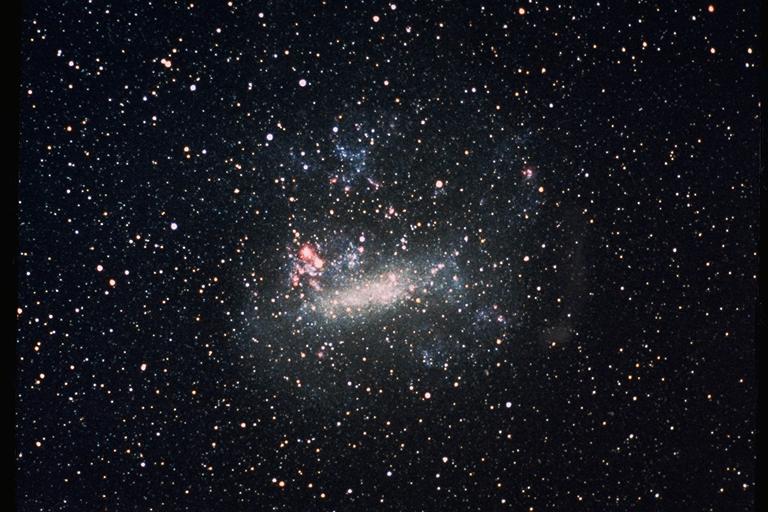
Irregular Galaxy -
Dwarf Galaxy
Dwarf galaxies are by far the most common galaxies in the universe—numerically, they dominate significantly. With only a few million to a few billion stars, they are tiny compared to large galaxies such as the Milky Way. They exist in elliptical, irregular, or spheroidal forms and often orbit as satellites of larger galaxies. Pictured below is the dwarf galaxy NGC 185, a satellite of the Andromeda Galaxy (M31).
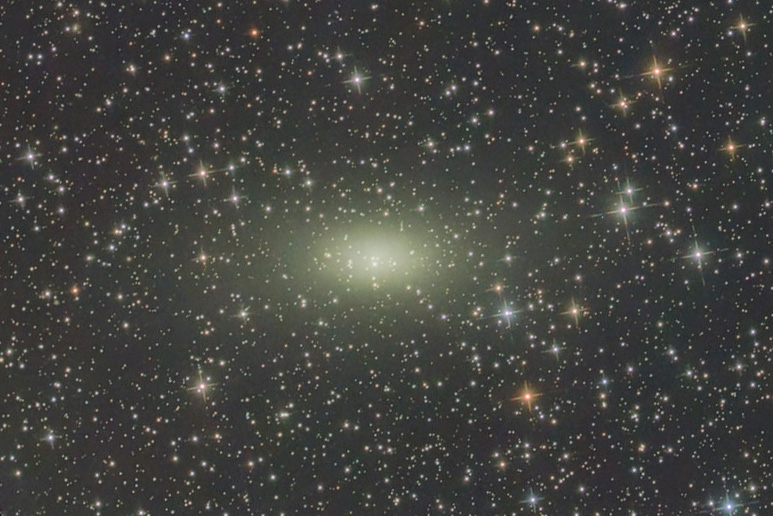
Dwarf Galaxy -
Ring Galaxy
Ring galaxies form when a smaller galaxy passes perpendicularly through the center of a disk galaxy, triggering a ring-shaped shockwave of star formation. Hoag's Object is one of the most beautiful known examples. This type of galaxy is rare and ranks among the most spectacular structures in the universe. Pictured below is the galaxy Hoag's Object (NASA/Ames Research Center).
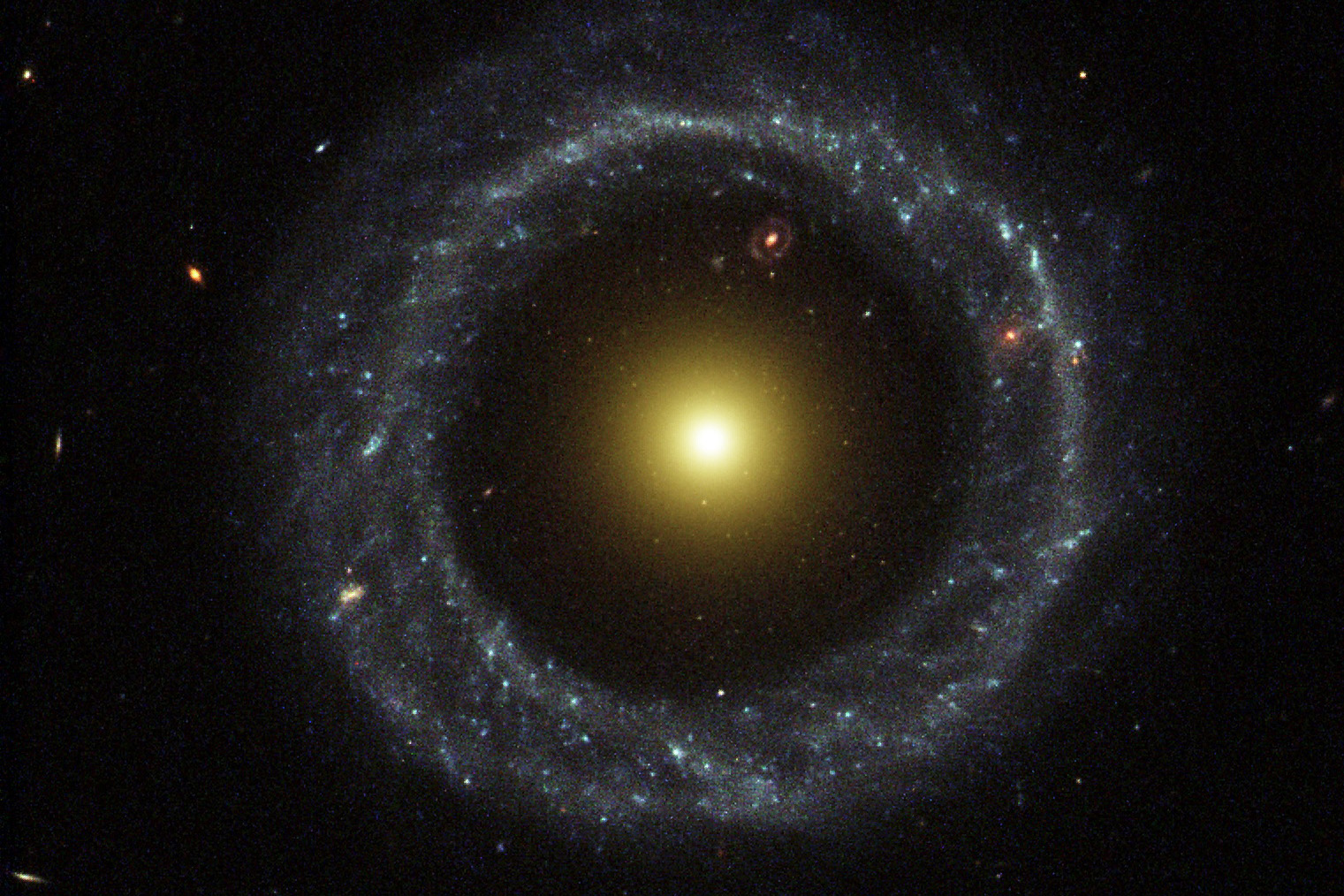
Ring Galaxie Hoag's
Explore More Astronomical Objects